
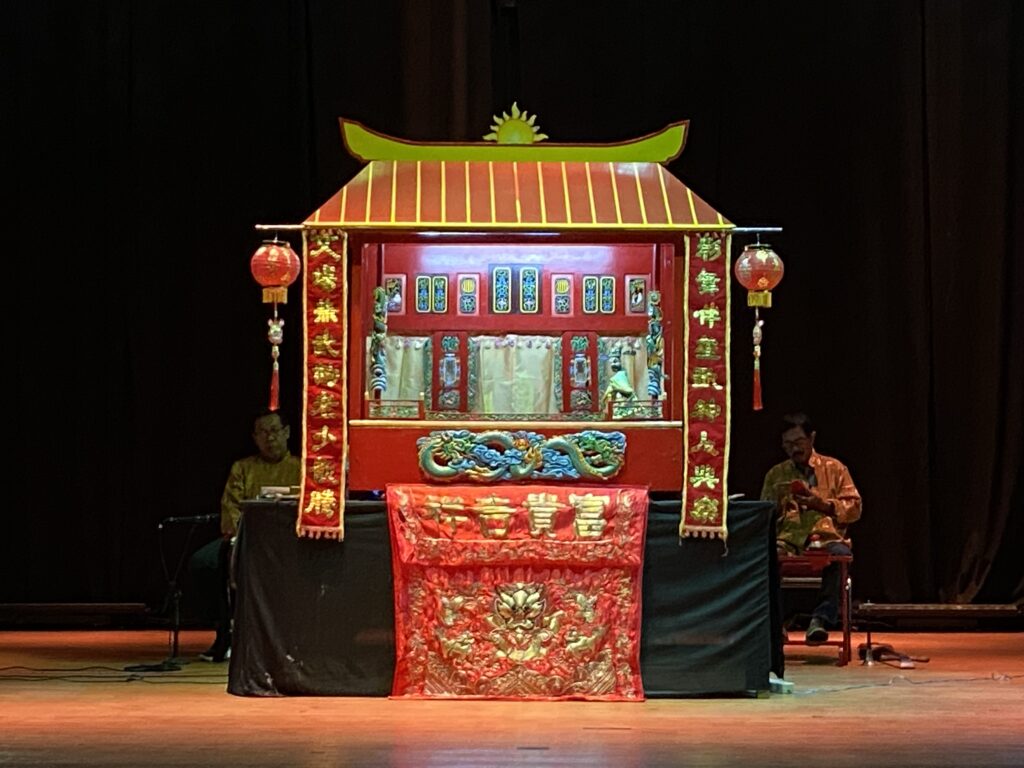
The Origin of Imlek — Every time people hear the word Imlek, they often picture red lanterns, lion dance performances, and festive decorations at shopping malls. This celebration associates with joy and excitement. But behind all that celebration lies a long history; about identity, migration, and how a government treats its own citizens.
Where Does the Word “Imlek” Come From?
The word Imlek actually comes from the Hokkien dialect. Im means moon, and lek means calendar. In Indonesia, this term refers to the Lunar New Year. Interestingly, in mainland China, the same celebration is known as Chun Jie, or the Spring Festival. The name could be marks the end of winter and the arrival of spring.
The fact that Indonesians use a Hokkien-derived term is itself a piece of history. It reflects the migration patterns of Chinese people to Indonesia, many of whom came from the Fujian and Guangdong regions — areas where Hokkien, Hakka, Khek, and Teochew are spoken.
Chinese Migration to the Indonesian Archipelago
Throughout history of the origin of Imlek, the Chinese community in Indonesia has gone through many shifts in their social standing. During the colonial era, they were placed in a separate social category, distinct from both Europeans and indigenous Indonesians. After independence, they were recognized as Indonesian citizens. But things changed when the New Order era began.
What Changed Under the New Order
On December 6, 1967, President Soeharto issued Presidential Instruction No. 14 of 1967, which restricted Chinese cultural expressions in public spaces.
Under this policy, celebrations like Imlek, lion dances, lantern displays, and other Chinese cultural symbols were only allowed within family settings or closed, private spaces.
As a result, for about 30 years, Imlek did not disappear entirely, but it was practiced quietly, behind closed doors.
Reform Era: Imlek Returns to Public Life
Things began to change during the Reform Era. In 2000, President Abdurrahman Wahid revoked the rules that had restricted Chinese cultural expression. From that point on, Imlek could celebrate openly in public. Three years later, President Megawati Soekarnoputri declared Imlek a national public holiday, a symbolic moment signaling that Chinese-Indonesian identity was recognized as part of Indonesia’s diversity.
Today, Imlek is celebrated widely. Lion dances appear in many public places, lantern decorations light up the streets, and people from all walks of life join in the festive atmosphere. Imlek has even become a tourism attraction.
More Than Just a Celebration
This transformation shows that a culture once increasingly embraced. But it is also worth remembering that cultural acceptance cannot stop at celebrations alone. It is important to keep ensuring that recognition of diversity goes hand in hand with equality and genuine respect for the identity of all groups.
Because in the end, The origin of Imlek is not just about festivities. It also reminds us that Indonesia’s diversity has a long and complex history and preserving that diversity share in responsibility.
Read another article : Capital Hotel Iftar Buffet: 80+ Dishes, Lucky Gets a Trip to Japan